When you’re just starting out with upcycling, the excitement of transforming old pieces into something new can make everything look like a project waiting to happen. But here’s the truth: not every item is worth saving. Some pieces cost more time, money, or energy than they’re worth. To help you avoid frustration, here are 7 common upcycling mistakes and what to do instead.
1. Don’t Upcycle Anything With Severe Structural Damage
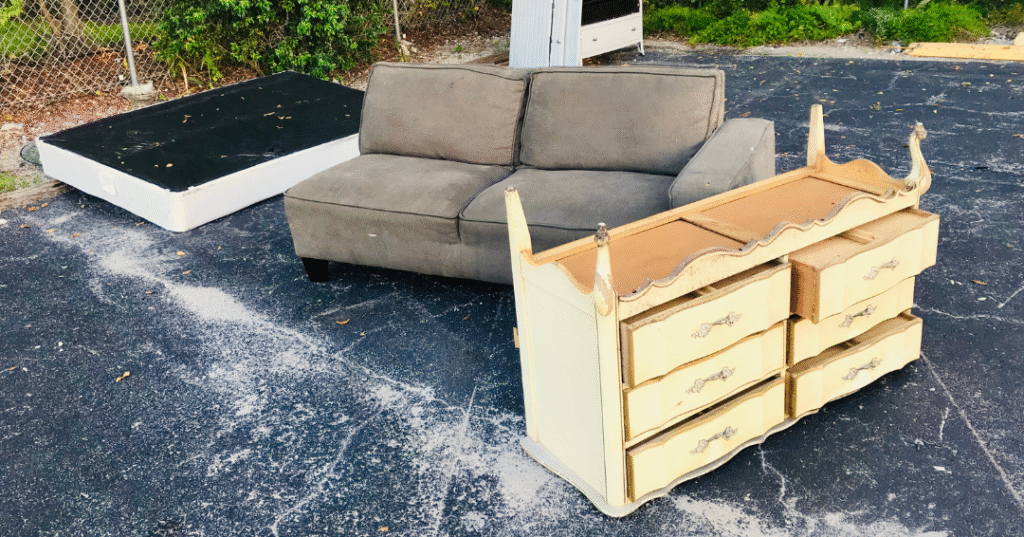
If a chair is missing legs, a dresser’s frame is warped, or the wood is splitting, you may end up spending more fixing it than it’s worth. Focus on pieces that are sturdy, even if they’re scratched or outdated.
2. Avoid Items With Water or Mold Damage
Wood that has been soaked or shows signs of mold can be unsafe and nearly impossible to restore properly. Not only does it smell, but it can also be unhealthy to bring into your home.
3. Stay Away From Certain Fabrics
Reupholstering can be fun, but some items like couches with deep stains, heavy odors, or sagging springs require professional work. For beginners, stick to small fabric projects like chairs or stools before tackling large, upholstered pieces.
4. Be Careful With Veneer Furniture
A lot of modern furniture is made with thin veneer instead of solid wood. Once it chips or peels, it’s tough to sand and repaint. If you’re looking for a first project, choose solid wood furniture instead.
5. Skip Hazardous Materials
Anything that once stored in chemicals, old paint cans, or rusty metal containers isn’t a good candidate for upcycling. Safety first!
6. Don’t Force a Style That Doesn’t Work
Not every piece will fit a farmhouse or coastal vibe. If the structure or shape doesn’t suit the style you want, forcing it will only lead to disappointment. Look for items that naturally complement the look you love.
7. Avoid “Money Pits”
Sometimes a free piece isn’t actually free. If it needs expensive hardware, replacement parts, or too many repairs, it may not be worth the investment. Instead, spend your time on projects where you can see a clear transformation without breaking the bank
You Closing Thoughts
The beauty of upcycling is finding the balance between creativity and practicality. While some pieces are perfect candidates for a makeover, others are best left behind. By knowing what not to upcycle, you’ll save yourself time, money, and stress and you’ll be able to focus on projects that truly shine.
So next time you spot a wobbly dresser or a moldy chair at the thrift store, don’t be afraid to walk away. Remember: the right project is out there waiting for you.